

Construction is booming.
In the next decade alone, employment projections released by the U.S. Bureau of Labor Statistics forecast an increase of 4.7% from 2023 to 2033, adding nearly 380,000 new jobs over the next decade.
Now, if you’re eyeing this path, that’s 380,000 new opportunities to get paid doing what you love. And you’ve got options: Some builders advance through various trades, while others launch businesses right away and learn on the job.
But first, you’ll need to learn how to become a builder. So, the more challenging question to answer isn’t about which path to choose. It’s about building credibility when you have no track record.
This guide covers both routes from getting hired on crews to starting your own residential building company, so you can choose what fits your background and goals. You’ll know exactly which path to take and what to do first.
What Does a Residential Builder Do?
Residential builders oversee home construction projects from initial client consultations and budgeting through final inspections and project closeout. The role requires both operational expertise and business management capabilities.
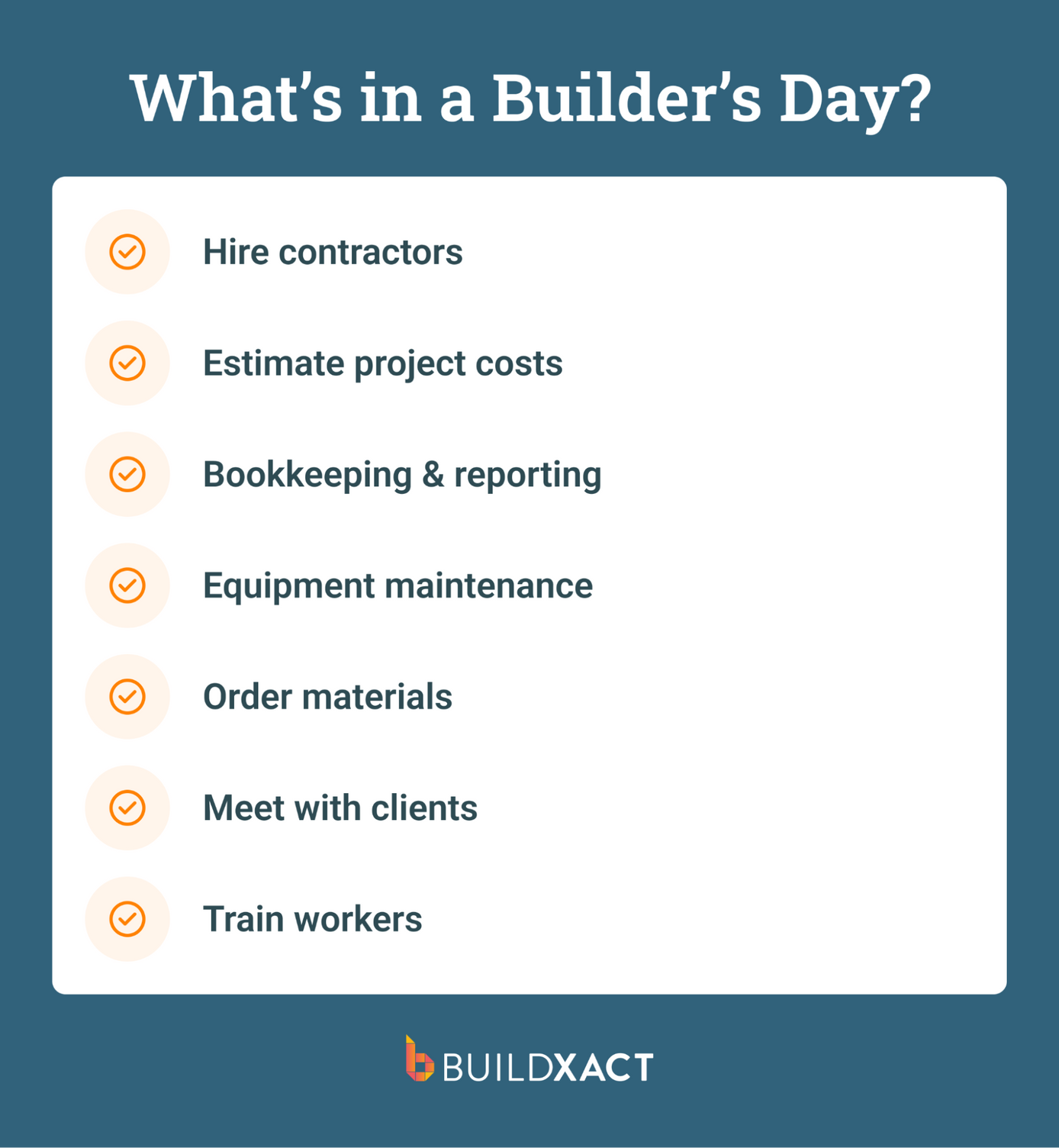
On a typical day as a builder, you will:
- Hire contractors
- Estimate project costs
- Work with a team of designers, contractors, and field crews
- Report jobs and bookkeeping
- Conduct inspections
- Manage payroll and time approval
- Maintain equipment and tool operation
- Train new workers
- Order materials and equipment
- Meet with potential clients
How you handle these responsibilities depends on which type of builder you become and whether you’ll be working for someone else or running your own company.
Types of Residential Builder Career Pathways
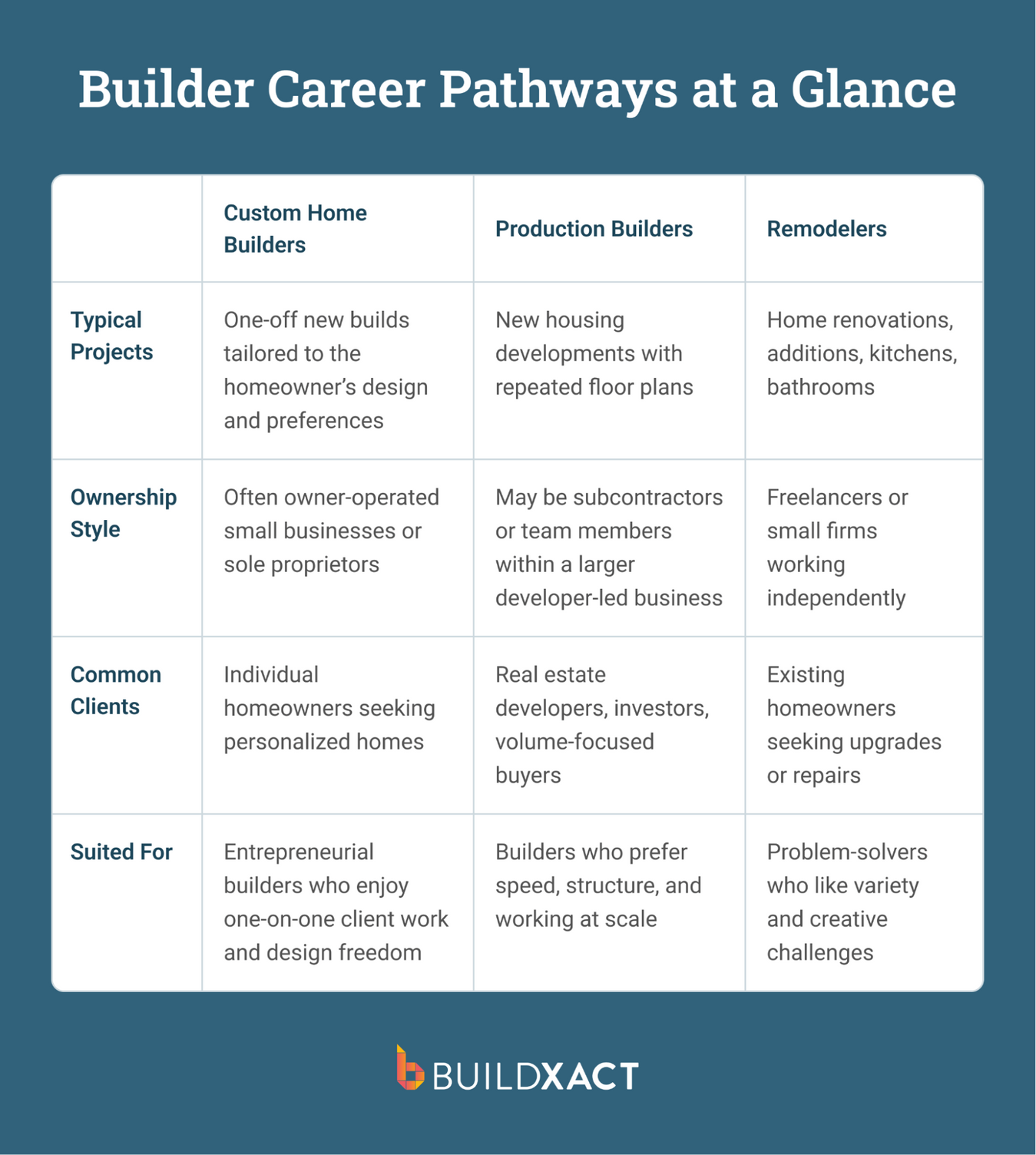
“Builders” isn’t a catch-all term — and that’s a good thing for people who like the structure of a profession with some creativity, problem solving, and decision-making baked right in. Within the residential sub-niche, we’ll examine three popular types of residential builders, and you can use the breakdown to gain a sense of where you might want to focus.
Custom home builders trade scale for depth. They:
- Are involved in every decision about materials, layout, and finishes.
- Complete fewer projects annually, but enjoy higher margins because custom features and specialized designs command premium pricing.
Verdict: If you thrive in ambiguity and enjoy one-on-one collaboration, custom home building might be your lane.
Production builders prioritize speed and repeatability using standard construction plans. They:
- Build multiple variations of the same floor plan across many lots within subdivisions.
- Rarely handle direct client communications, as on-site sales teams, design center reps, or customer care staff typically manage this.
- Focus primarily on coordinating crews, scheduling inspections, managing materials and deliveries, and ensuring production timelines remain smooth across dozens of homes.
Verdict: It’s a good fit if you’re seeking steady work and a clear career path.
Remodelers start with unknowns but have a clear, repeatable, and reliable process for their projects. They:
- Take on additions, renovations, and major updates to existing structures.
- Deal with project timelines that are often shorter than new builds and rarely predictable.
- Must constantly adapt and problem-solve on the fly, dealing with situations such as outdated wiring, hidden structural issues, or incorrect plans.
Verdict: If you’re good at thinking on your feet, remodeling can be rewarding work.
Every experience teaches you something, so don’t be too quick to dismiss opportunities:
- As an employee, you learn how builders price jobs and run projects without risking your own money. You may have less flexibility, but you’ll grow the business and operations side to add to your trade skills.
- Starting your own company means you control which jobs you take and what you earn, but you also handle every estimate, permit, and client complaint. The upside is yours, but so is every cost overrun.
So, what does that tell you? Even if you know you’ve got entrepreneurial instincts, take the time to explore each of these options because there’s no reason why production builders can’t also bring that “do it yourself” mentality to their workday.
Similarly, there’s no reason why custom home builders can’t “work at scale,” the way production builders do (and, in fact, the most profitable ones do — more on that later in this article).
Why Many Choose the Career Path of Becoming a Builder
If you’re thinking about the trades or switching careers, residential building is worth a closer look. It offers something that other jobs can’t: stability, independence, and meaningful work.
Job security in a growing industry
As we saw earlier, employment for construction laborers and supervisors is projected to grow steadily through 2032. No matter the economy, people still need places to live, builders to construct homes, remodel kitchens, and repair foundations.
Unlike industries that rise and fall with tech cycles, building work stays local and hands-on. That stability matters, especially if you’re making a mid-career change or supporting a family.
But it’s not just about holding onto a job. It’s also about building something of your own.
Pathway to ownership and autonomy
You can start as a laborer, move into a trade, become a lead, and eventually run your own crew without a degree or outside funding. Once you’re licensed and experienced, you choose the work, set the pace, and keep what you earn.
If you value independence and want to build wealth on your own terms, this career provides that runway. That freedom matters more when the work itself feels meaningful.
Tangible, meaningful work
You’re building a structure where people live, raise families, and create beautiful memories.
As the 2025 HBI report shows, construction continues to attract workers who want careers that feel tangible, lasting, and real.
Over the last two decades, white-collar roles in construction have expanded significantly, while younger workers have increasingly entered the trades. Gen Z participation in trades has more than doubled, from 6.4% in 2019 to 14.1% in 2023. They’re drawn by stability, purpose, and the satisfaction of seeing visible progress at the end of each day.
Opportunities independent of a college degree
The path runs through apprenticeships, on-the-job training, and licensing—not lecture halls or student loans.
You don’t need a diploma. You need skills, reliability, and the ability to manage time, costs, and people without letting anything slip.
For aspiring builders who learn better by doing, or who can’t afford (or don’t want) to spend years in college, this career offers a legitimate alternative.
If you understand why you’re drawn to the work, the next step is to learn what it actually requires.
What to Expect: Essential Skills and Knowledge for Home Builders
Being a home builder blends hands-on craft with business skills. If you’re starting without construction experience, here are the skills you need to make your path more straightforward.
Core technical knowledge and construction fundamentals
If you don’t have construction experience, you’ll need to build a foundation in construction methods, building codes, and materials. This separates someone who can swing a hammer from someone who can run a job site.
Understanding how to frame walls, pour footings, and install subflooring in accordance with code means you can work independently. Reading building codes keeps you legal and protects you from costly inspection mistakes. Knowing which materials work well for framing, what insulation meets standards, and how roofing performs can significantly impact your costs and reputation.
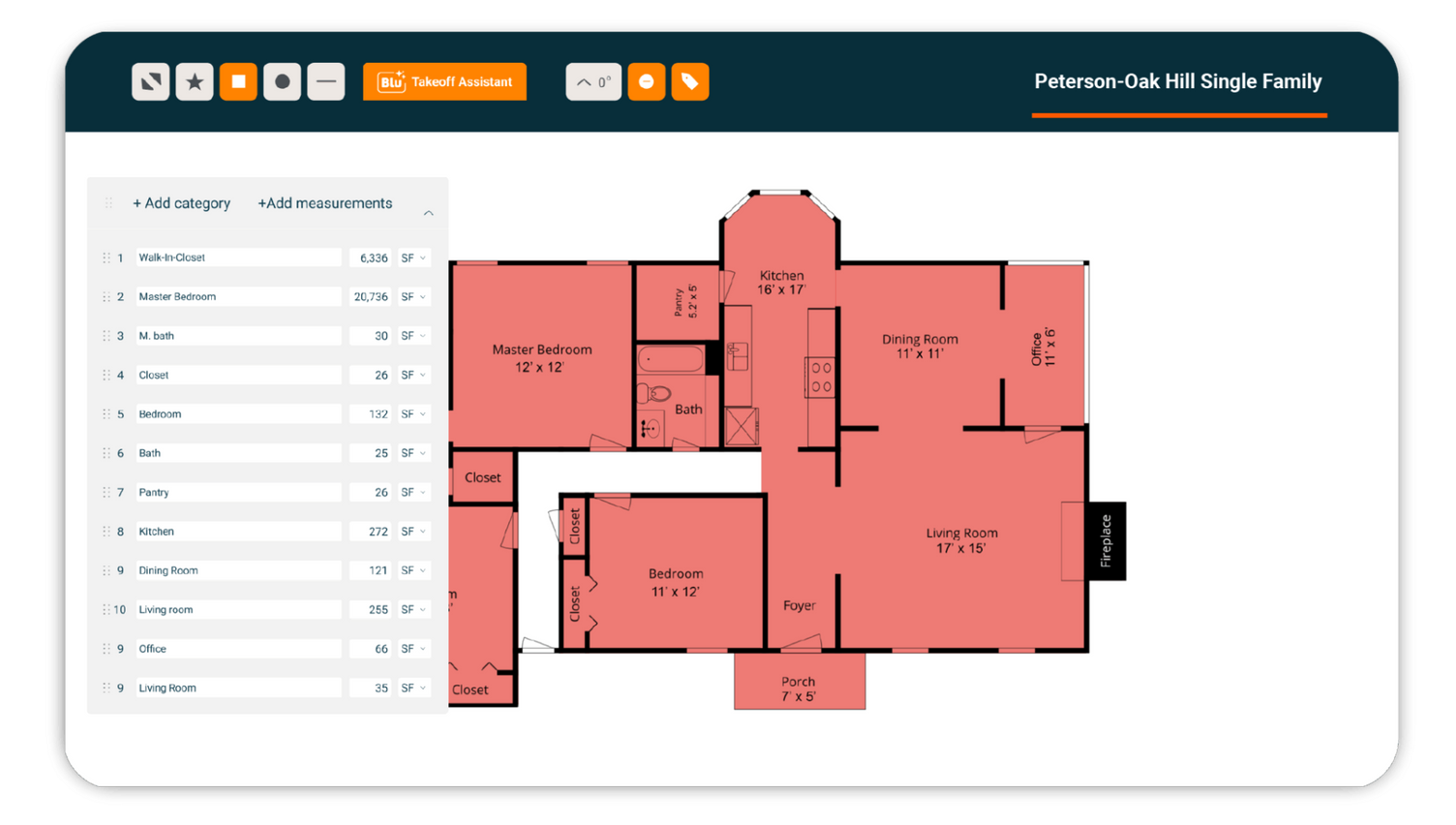
Reading blueprints, performing takeoffs, and understanding structural logic enable you to bid accurately and identify problems early. Most builders learn through apprenticeships, working alongside experienced contractors.
Project management, budgeting & workflow skills
Project management is where most new builders struggle. You’re scheduling subcontractors, sequencing work so crews don’t sit idle, and keeping jobs on track.
You’re also estimating costs for labor, materials, permits, and contingencies, then tracking every dollar to stay within budget.
When any of these slip, jobs run late, and costs multiply. Wasted time and materials drain cash faster than most new builders expect. However, when you manage all of this effectively, you establish a reputation that attracts steady work.
Residential construction management software helps you stay organized and catch problems before they become expensive.
Business and soft skills for starting your own builder journey
Working for an established builder means focusing on technical work as someone else handles clients and cash flow. Going independent shifts those responsibilities to you.
Initially, you explain delayed timelines to clients or reschedule crews when a subcontractor arrives late. Then a material cost jumps mid-project, and you need to decide whether to absorb the loss or renegotiate with the client.
Bad subcontractor decisions waste weeks and thousands. Mismanaged cash flow can kill businesses, even with steady work. That’s why most successful builder-owners spend 3-5 years working for someone else first, watching how experienced builders handle these situations before risking their own capital.
Tech and modern tools for efficiency and growth
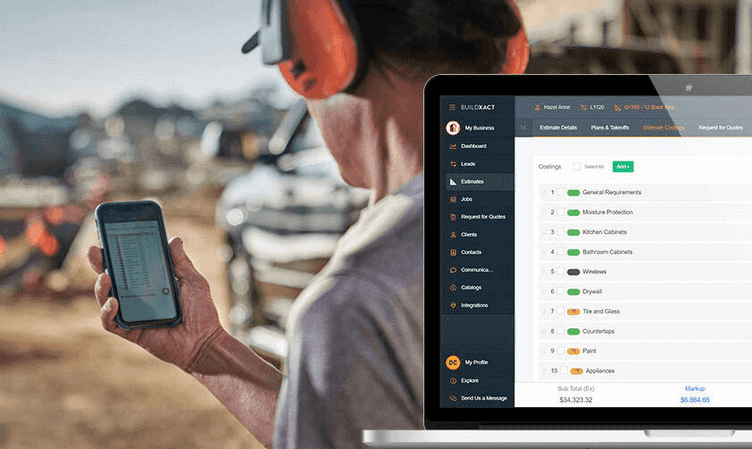
Construction estimating software prevents underbidding because a single pricing mistake can cost you thousands. Mobile apps enable you to track time and manage changes on-site, as missed deliveries push timelines back and poor scheduling leaves paid crews idle.
Technology helps prevent these problems by enabling you to create accurate estimates and keep projects on track.
Licensing, training and getting started
Figuring out licensing requirements is one of the first roadblocks. Some states require proof of experience before applying.
Most states and provinces will require that you apply for a license before becoming a contractor. The rules for each state vary, so be sure to check the local laws first. Some trades, such as electricians and HVAC technicians, also require individual licenses, in addition to a contractor’s license for the company.
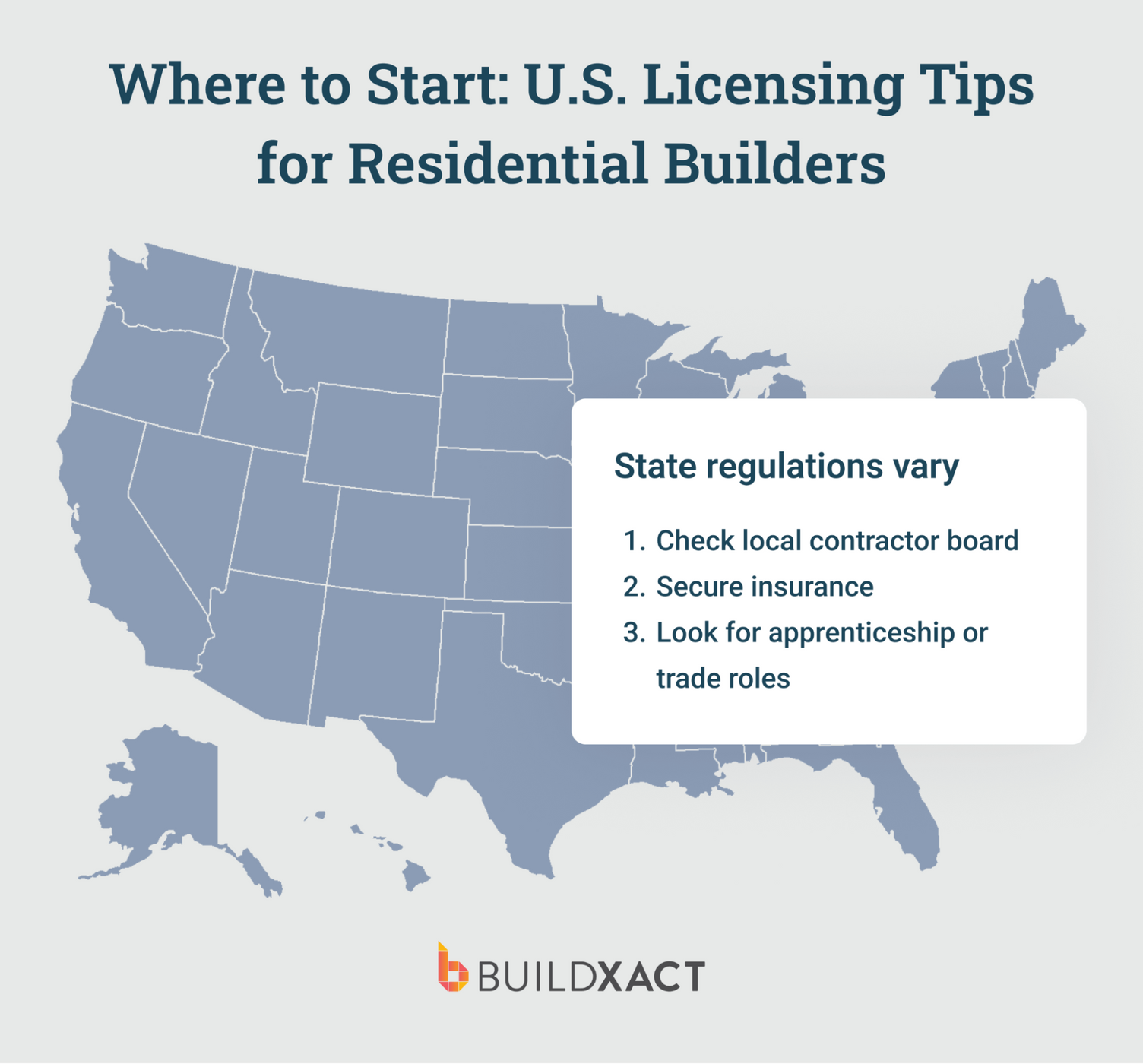
Before applying for a license, most states require that you purchase general liability insurance. This protects you if someone is injured on-site or causes damage to your facility. You may also need to get workers’ compensation insurance or register with the state labor board if you plan to have employees.
Start with your local Home Builders’ Association or state contractor board for accurate information. Working without a license risks fines, legal issues, and losing bidding opportunities.
If you don’t have construction experience yet, consider one of these options:
- Apprentice or intern: Gain field experience in an apprenticeship program or an internship in a contractor’s office. Both will give you a chance to experience what it’s like in the real world and gain the necessary skills to transfer into your business.
- Home projects: Practice your tool and project management skills on your own projects. If you can organize and execute a bathroom remodel in your home, you’ll excel as a builder.
How Aspiring Builders Break Through the Most Common Startup Challenges
Starting as a builder means solving problems you didn’t know existed until they’re blocking you from moving forward in your business. Here’s how to navigate the most common ones.
Attracting clients without a track record
When you’re new, you don’t have a portfolio or reviews to point to. That makes it harder to win trust when homeowners are choosing between you and established builders.
So, once you have your license and funding to begin work, let potential clients know you are in business by advertising in local newspapers, websites, and community events. Build a social media presence and use advertising to target homeowners in your area who are seeking remodeling ideas.
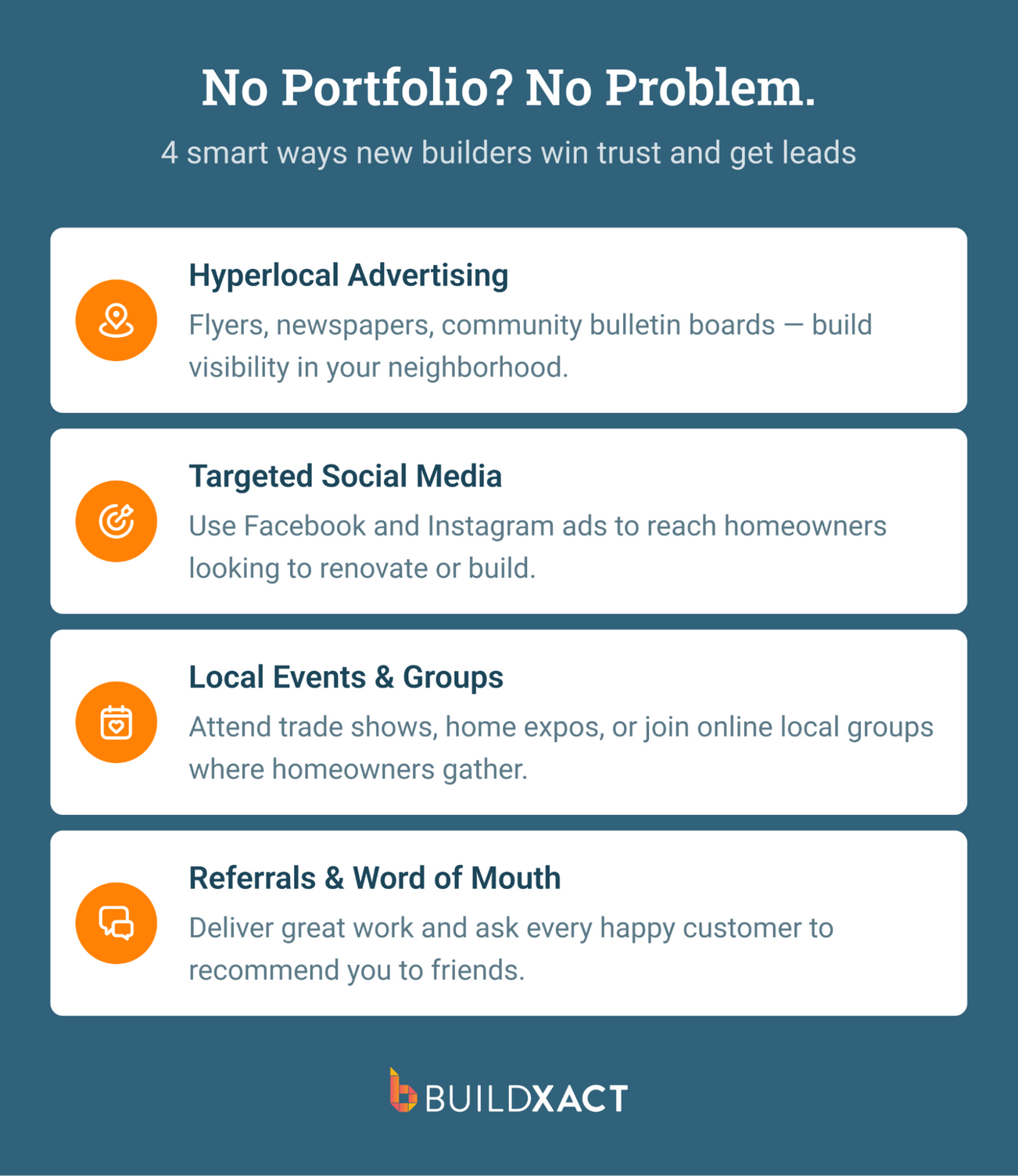
Drop off flyers at hardware stores where contractors and homeowners shop. Join neighborhood Facebook groups and NextDoor communities where people actively ask for contractor recommendations. Show up at local events not just as a sponsor, but as someone residents recognize.
As you complete projects, ask customers for referrals to their friends and family. Follow up on each referral as soon as you receive it, because warm leads are scarce. Those first referrals become your proof when you don’t have an established track record.
Starting with limited experience
If you’re new to construction, the volume of skills you lack can feel overwhelming.
You can get a degree in construction, engineering, or management, enroll in an apprenticeship program, or register with a trade union. If you prefer to learn through hands-on work, you can get on–the–job training in most trades and skills and work your way up through the ranks until you’re supervising your own projects and crews.
The key is to pick one path and commit to it. You can either start as a laborer on a crew, enroll in a local trade program, or take on small projects for friends and family. The skills compound faster once you’re actually doing the work.
Dealing with financial uncertainty at the start
Starting a building business requires capital you might not have: tools, insurance, permits, and transportation. That uncertainty keeps aspiring builders from ever taking the first step.
Unless you have a stash of cash in your savings account, you may need to look for a bank loan or credit card(s) to fund your new venture. If you don’t have good credit, you may have to try alternative funding sources, like a U. S. Small Business Administration-backed loan, material financing, or invoice factoring.
Once you have some funds, purchase the necessary tools and equipment to perform your work. Consider renting tools and equipment instead of buying them. It provides an opportunity to test the equipment, and it’s more cost-effective than purchasing it outright.
You can also start small by subcontracting specialized trades, such as electrical and plumbing, instead of hiring full-time employees. Alternatively, rent equipment until you’re consistently booking work, keeping overhead minimal until revenue proves the business model is viable.
This approach reduces your upfront investment and gives you room to learn without betting everything at once.
Balancing field work and admin
Running a building business means spending part of your days on admin work. You’ll be writing estimates, scheduling subcontractors, tracking material costs, and following up on late payments.
That administrative load piles up fast, and if you’re not organized, it eats into the time you’d rather spend on job sites. Estimating software and project management tools make the most common, pressing, and value-laden tasks manageable enough to ensure that you’re not drowning in spreadsheets when you should be framing walls.
Is It Worth It? How to Ensure Success as a Residential Builder
Becoming a builder offers something most careers don’t: managing projects you’re proud of, setting your own hours and income goals, and earning a reputation in your community where people call you first.
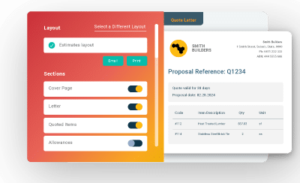
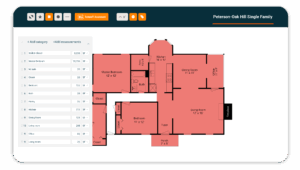
Need software to help run your business? Buildxact is construction management software built for residential builders. Book a demo or try it free for 14 days.